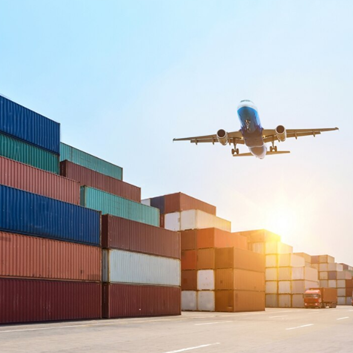
TRANSFER FREIGHT TRANSPORT
Freight transportation is becoming increasingly important and imports and exports are increasing rapidly in line with globalization, e-commerce, and growing consumer demand. In this evolving logistics landscape, the concept of transfer freight transport has become a critical solution for ensuring efficient, timely, and cost-effective cargo movement across regions and modes.
Transfer Freight Transport refers to the movement of goods that involves multiple stages or modes of transport. Rather than relying on a single method (like road or sea), freight is transferred between different vehicles or carriers during its journey. This approach allows for better route planning, improved delivery speed, and access to more destinations.
Transfers can occur between:
- Trucks and trains
- Ships and trucks
- Aircraft and vans
- Or even between different trucks at logistics hubs
This concept is central to multimodal and intermodal logistics, where goods are seamlessly moved using different transport methods to maximize efficiency.
• How Transfer Freight Works
The process of transfer freight transport typically involves the following stages:
Pickup: Goods are collected from the manufacturer or supplier, often by road.
Initial Transport: Cargo is moved to a logistics hub, port, airport, or rail terminal.
Transfer: Goods are transferred to another transport mode (e.g., from truck to ship or rail).
Main Haul: The cargo travels the majority of its journey via the most efficient method (often rail or sea for long distances).
Final Transfer: At the destination hub, the freight is transferred again—usually back to road transport.
Last-Mile Delivery: The goods are delivered to the end customer or distribution center.
These transfers are supported by advanced logistics planning, digital tracking, and coordination between freight carriers and service providers.
• Types of Transfer Freight Transport
There are several common types of transfer freight operations, depending on the cargo, routes, and logistics strategies used:
1. Intermodal Transport
- Uses multiple modes (e.g., rail + truck) with standardized containers.
- Cargo is not handled during transfer; only the container moves between vehicles.
- Reduces handling time and cargo damage.
2. Multimodal Transport
- Similar to intermodal, but under a single contract or service provider.
- Involves coordination across different transport systems.
- Offers more convenience and simplified billing.
3. Hub-and-Spoke Distribution
- Freight is moved from central hubs to regional destinations.
- Involves multiple transfers for consolidation and distribution.
- Widely used in parcel delivery and e-commerce logistics.
4. Cross-Docking
- Goods are transferred directly from inbound to outbound transport without storage.
- Increases speed and reduces warehousing costs.
- Ideal for time-sensitive or high-volume goods.
• Benefits of Transfer Freight Transport
Adopting transfer freight solutions can deliver significant advantages for businesses, shippers, and logistics providers:
Cost Efficiency: Using different transport modes (e.g., sea for long hauls, road for short distances) can lower overall shipping costs, especially for international freight.
Flexibility and Reach: Combining transport methods enables cargo to reach remote or landlocked areas that single modes cannot access effectively.
Improved Delivery Speed: Transfers allow logistics teams to optimize routes and schedules, sometimes enabling faster delivery compared to using one mode.
Sustainability: Transferring freight from trucks to trains or ships—especially for long distances—can significantly reduce carbon emissions and environmental impact.
Risk Mitigation: Diversified transport reduces dependency on a single mode, helping avoid delays due to strikes, weather events, or road congestion.
• Challenges of Transfer Freight Transport
While transfer freight systems bring many advantages, they also come with operational and logistical complexities:
Coordination: Successful transfers require precise coordination between multiple carriers, hubs, and vehicles. Miscommunication can lead to delays or cargo mishandling.
Cargo Handling Risks: Each transfer point increases the risk of cargo damage, especially for fragile goods or improperly packed shipments.
Documentation and Compliance: Cross-border or intermodal transfers often involve complex paperwork, customs declarations, and regulatory checks.
Tracking Complexity: Transferring cargo between multiple modes and locations makes tracking more challenging without a robust digital system.
Infrastructure Dependency: Efficient transfers depend on high-quality infrastructure like rail terminals, ports, and intermodal hubs—which may be lacking in some regions.
• Technology in Transfer Freight Logistics
To address challenges and maximize benefits, companies are turning to advanced technologies, such as:
GPS & Real-time Tracking: Allows visibility across the supply chain
Warehouse & Transport Management Systems (WMS/TMS): Coordinates transfers and automates scheduling
IoT Sensors: Monitors cargo conditions like temperature and shock during transfer
Blockchain: Provides secure, verifiable documentation and data sharing
AI & Predictive Analytics: Improves route planning and inventory flow
• Real-World Applications
Transfer freight transport is used in numerous industries and logistics scenarios, including:
Retail & E-commerce: Moving goods from global suppliers to local fulfillment centers
Automotive: Shipping components across multiple countries for assembly
Agriculture: Transporting perishable items using cold chain transfer logistics
Pharmaceuticals: Ensuring safe transfer of sensitive goods via air and road
• Conclusion
Transfer freight transport is a powerful solution in today’s fast-paced, globalized logistics world. By enabling goods to move efficiently across different transport modes and regions, it helps businesses reduce costs, improve speed, and expand their delivery capabilities.
As global trade continues to grow, companies that invest in smart, flexible, and integrated transfer freight systems will be best positioned to meet customer demands and stay competitive.
Published 04.01.2025 | by Imports Exports Logistics, Inc.