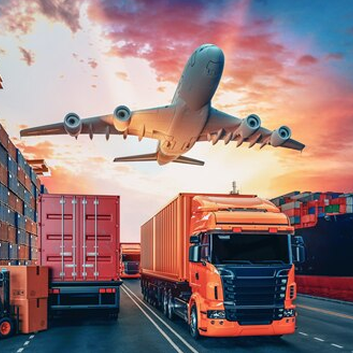
WHAT IS ROAD TRANSPORT?
Road Transport is a transportation system that allows movement of cargo from one point to another using motor vehicles such as trucks, vans, or semis. It is one of the most commonly used modes of freight transportation due to its flexibility, accessibility, and cost-effectiveness—particularly for domestic and short to medium-distance deliveries.
From delivering consumer goods across cities to hauling raw materials between industrial zones, road transport plays a vital role in the global logistics chain. It connects producers, suppliers, retailers, and consumers in a fast, reliable, and often last-mile capacity.
Road transport involves the use of paved highways, rural roads, and city streets to move cargo. Logistics companies use a variety of vehicles—ranging from small vans to articulated semi trucks—depending on the volume, type, and urgency of the cargo.
Goods are typically loaded at a warehouse, distribution center, or production facility and then transported directly to their destination or to a logistics hub for further distribution. Advanced route planning software, GPS tracking, and fleet management systems are used to optimize delivery efficiency and timing.
• Types of Road Freight Vehicles
Different types of vehicles are used in road transport depending on the nature of the goods being moved. Here are some common types:
Box Trucks (Straight Trucks): Used for small to medium loads, especially in urban areas. Enclosed cargo areas protect goods from weather and theft.
Flatbed Trucks: Open trailers ideal for transporting heavy, oversized, or irregularly shaped items like construction materials or machinery.
Refrigerated Trucks (Reefers): Equipped with temperature control systems to transport perishable goods such as food, pharmaceuticals, and flowers.
Tankers: Designed to carry liquids or gases such as fuel, chemicals, or milk.
Container Trucks: Used for intermodal transport, carrying standardized shipping containers that can be transferred between road, rail, and sea.
• Key Advantages of Road Transport
Flexibility: Road transport offers unmatched route flexibility. Vehicles can reach remote or rural areas, making it ideal for last-mile delivery. Routes can be adjusted in real-time based on traffic, weather, or customer needs.
Speed (Short Distances): For local and regional deliveries, road transport is often faster than other methods, especially when point-to-point delivery is required.
Door-to-Door Service: Unlike rail or sea transport, road vehicles can pick up and deliver directly to the origin and destination points, reducing handling and risk of damage.
Cost-Effective (Short Haul): For low-volume or short-distance freight, road transport is generally the most economical option due to lower fixed infrastructure costs.
Easy Tracking and Management: With GPS and logistics software, companies can monitor shipments in real-time, optimize routes, and manage driver schedules efficiently.
• Common Applications of Road Transport
Road transport is used across almost every industry. Some of the most common applications include:
Retail and E-commerce: Last-mile delivery to homes and stores
Manufacturing: Raw material supply and product distribution
Agriculture: Transportation of fresh produce and livestock
Construction: Delivery of heavy equipment and building materials
Pharmaceuticals: Temperature-sensitive medical goods
• Challenges of Road Transport
Despite its many benefits, road transport does come with challenges that logistics professionals must manage:
Traffic Congestion: Urban congestion can delay deliveries, increase fuel consumption, and impact customer satisfaction.
Infrastructure Quality: In some regions, poor road conditions or lack of proper infrastructure can affect vehicle lifespan and delivery reliability.
Weather Dependency: Severe weather like snowstorms, floods, or high winds can cause significant disruptions in road logistics.
Regulatory Restrictions: Weight limits, driving hours, tolls, and environmental regulations vary by country and region, adding complexity to planning.
Environmental Impact: Road transport, especially diesel trucks, contributes to air pollution and greenhouse gas emissions. However, cleaner technologies are on the rise.
• Road Transport and Sustainability
Sustainability is becoming a key focus in the road transport sector. Logistics companies are investing in:
- Electric and hybrid vehicles
- Alternative fuels (like biodiesel or LNG)
- Driver efficiency training
- Route optimization software to reduce mileage and emissions
Governments and private sector players are also exploring smart road systems, carbon offsetting, and urban freight consolidation to reduce the environmental footprint of road freight.
• The Future of Road Transport in Logistics
Road transport is evolving rapidly thanks to advancements in technology and changing consumer expectations. Key trends shaping the future include:
Autonomous trucks: Promising increased safety and efficiency
Real-time tracking and AI-powered logistics: Enhancing supply chain transparency
Green logistics initiatives: Reducing carbon emissions and fuel costs
Urban logistics innovations: Including electric delivery vans and micro-distribution hubs
While challenges like rising fuel costs and regulatory changes remain, the adaptability of road transport ensures it will continue to be a dominant force in global logistics.
• Conclusion
Road transport is an essential pillar of freight logistics, offering the speed, flexibility, and accessibility that modern supply chains demand. Whether it's local deliveries or part of a multimodal strategy, its role in connecting products with people remains unmatched.
Understanding its capabilities and limitations allows businesses to plan smarter, reduce costs, and improve service levels—making road transport not just a necessity, but a strategic advantage.
Published 03.01.2025 | by Imports Exports Logistics, Inc.