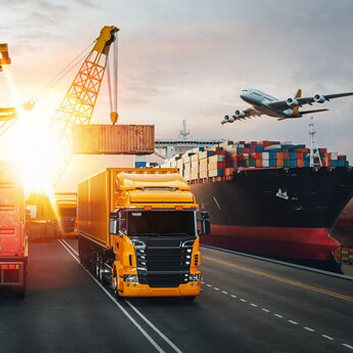
TYPES OF FREIGHT TRANSPORT
In road transport, which is a widely used type of transport, distribution is made in accordance with demand, destination, and cargo characteristics. However, freight transport encompasses a much broader set of methods beyond just roadways. As global trade expands and logistics strategies evolve, businesses must understand the various types of freight transport to optimize delivery times, reduce costs, and ensure reliability.
Each type of freight transport has unique features, advantages, and limitations. The choice depends on several factors including cargo type, distance, budget, urgency, and environmental considerations. Let’s explore the main types of freight transport used in modern logistics.
1.- Road Freight
Road freight involves the transportation of goods by trucks or lorries via highways and roads. It is the most flexible and commonly used method, especially for short to medium distances and door-to-door delivery.
Key Advantages:
- Excellent for last-mile delivery
- Cost-effective for domestic or regional transport
- Easy tracking and route optimization
- Handles a wide range of cargo, including perishable goods with refrigerated trucks
Common Use Cases:
- Retail distribution
- E-commerce fulfillment
- Parcel and pallet delivery
Limitations:
- Susceptible to traffic delays and road conditions
- Limited capacity compared to rail or sea
- Less environmentally friendly
2.- Rail Freight
Rail transport uses trains to move goods along railway lines, primarily for bulk and heavy cargo over long distances. It offers a reliable and structured solution for intercontinental land transport, particularly in regions with developed rail infrastructure.
Key Advantages:
- Ideal for heavy loads and bulk commodities
- More fuel-efficient and environmentally friendly than road
- Less affected by weather and congestion
Common Use Cases:
- Transport of coal, steel, lumber, and chemicals
- Long-distance container shipments (e.g., from ports to inland depots)
Limitations:
- Limited access to final delivery points (often needs road transport for the last mile)
- Higher setup and infrastructure costs
- Less flexible scheduling compared to trucks
3.- Maritime (Sea) Freight
Sea freight involves transporting goods by cargo ships across oceans and seas. It is the most common method for international trade, accounting for about 90% of global trade by volume.
Key Advantages:
- Highly cost-effective for large, heavy shipments
- Suitable for bulk goods, containerized cargo, and dangerous materials
- Connects major ports across continents
Common Use Cases:
- Import/export of electronics, textiles, machinery
- Raw materials like oil, grain, iron ore
Limitations:
- Slower transit times
- Subject to port delays and customs processes
- Not ideal for urgent shipments
4.- Air Freight
Air freight uses airplanes to move cargo quickly across long distances, especially for time-sensitive and high-value goods. While more expensive than other forms, it is unmatched in speed.
Key Advantages:
- Fastest mode of freight transport
- High level of security and reliability
- Great for fragile or perishable goods
Common Use Cases:
- Electronics, pharmaceuticals, luxury goods
- Emergency shipments or spare parts
Limitations:
- Expensive (especially for heavy or bulky items)
- Limited cargo volume and weight
- Dependent on airport availability and customs clearance
5.- Multimodal (Intermodal) Transport
Multimodal transport combines two or more modes of transport under a single contract or logistics solution. Intermodal transport, a related concept, focuses on using standardized containers across modes without handling the cargo itself during transfers.
Key Advantages:
- Optimized costs and transit times
- Efficient for international shipments
- Combines strengths of each mode (e.g., sea + rail + road)
Common Use Cases:
- International shipping from manufacturers to distribution centers
- E-commerce supply chains using sea and air freight
Limitations:
- Complex coordination required
- More documentation and regulatory oversight
- Potential delays during transloading
• Choosing the Right Freight Transport Method
Selecting the most suitable type of freight transport depends on several factors:
| Criteria | Best Option |
| Speed required | Air Freight |
| Cost-sensitive loads | Maritime or Rail Freight |
| Domestic distribution | Road Freight |
| Heavy/bulk shipments | Rail or Sea Freight |
| Remote destinations | Multimodal (with road linkage) |
| Environmental goals | Rail or Sea Freight |
By evaluating your logistics needs, cargo type, and destination requirements, businesses can create a customized transport strategy that balances speed, cost, and sustainability.
• Conclusion
Freight transport plays a foundational role in the global supply chain. From trucks delivering goods across cities to ships moving containers between continents, each type of freight transport serves a specific purpose. Understanding the advantages and limitations of road, rail, sea, air, and multimodal transport allows businesses to make informed, strategic decisions that improve efficiency and customer satisfaction.
As global commerce continues to evolve, so too will the technologies and practices in freight transport —making it essential for logistics professionals to stay informed and adaptable.
Published 02.01.2025 | by Imports Exports Logistics, Inc.