News and Articles
News and insights from the world of Logistics.
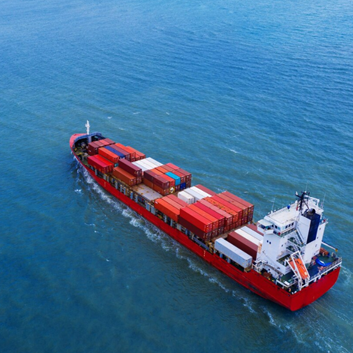
What is Maritime Transport?
In the international logistics sector, which continues to develop rapidly, it is extremely important to understand the vital role
of maritime transport. As global trade volumes increase, seaborne transportation has emerged as the backbone of the global supply
chain. But what exactly is maritime transport, and why is it so crucial in logistics today?
[click for full article]
Warehousing and Storage
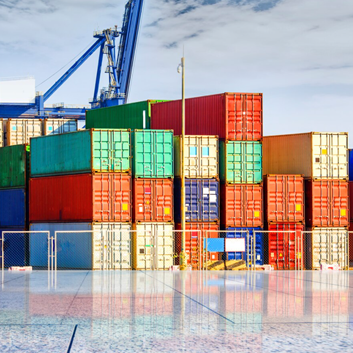
Continuing its services by providing bonded and duty-free warehousing services in line with the needs of modern trade,
the logistics sector plays a crucial role in ensuring smooth and uninterrupted supply chain operations. In today's fast-paced,
globalized economy, warehousing and storage are more than just places to keep goods—they are strategic assets that enhance
efficiency, reduce costs, and improve customer satisfaction.
[click for full article]
The Relevance of Load Management
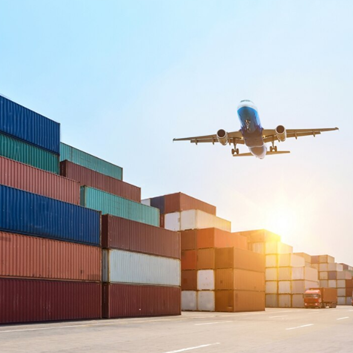
Load Management is defined as the planning, operation and management processes of all freight loads to ensure cargo
is transported efficiently, safely, and cost-effectively. It plays a crucial role in modern logistics by optimizing
space, reducing waste, lowering fuel consumption, and improving overall delivery performance.
[click for full article]

Transfer Freight Transport
Freight transportation is becoming increasingly important and imports and exports are increasing rapidly in line
with globalization, e-commerce, and growing consumer demand. In this evolving logistics landscape, the concept of
transfer freight transport has become a critical solution for ensuring efficient, timely, and cost-effective cargo
movement across regions and modes.
[click for full article]
What is Road Transport?
Road Transport is a transportation system that allows movement of cargo from one point to another using motor vehicles
such as trucks, vans, or semis. It is one of the most commonly used modes of freight transportation due to its flexibility,
accessibility, and cost-effectiveness—particularly for domestic and short to medium-distance deliveries.
[click for full article]
Types of Freight Transport
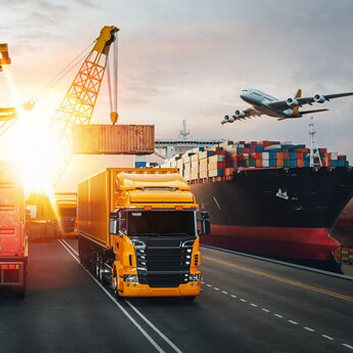
In road transport, which is a widely used type of transport, distribution is made in accordance with demand, destination,
and cargo characteristics. However, freight transport encompasses a much broader set of methods beyond just roadways. As
global trade expands and logistics strategies evolve, businesses must understand the various types of freight transport
to optimize delivery times, reduce costs, and ensure reliability.
[click for full article]
Frequently Asked Questions
Your comprehensive resource for logistics and supply chain management.
A: Logistics and supply chain management are essential functions that ensure products and materials move efficiently from origin to destination.
Logistics focuses on the planning, execution, and control of the movement and storage of goods—covering transportation, warehousing, inventory management, and order fulfillment.
Supply chain management (SCM) is a broader concept that encompasses logistics but also includes sourcing raw materials, managing supplier relationships, overseeing production processes, and delivering final products to customers. SCM coordinates all stakeholders—suppliers, manufacturers, distributors, retailers, and customers—to ensure a seamless flow of information, goods, and services.
At its core, logistics aims to deliver the right product, in the right quantity, at the right time, and at the right cost. Effective supply chain management enhances visibility, reduces waste, lowers costs, and improves customer satisfaction.
Whether you are moving goods across town or across the globe, understanding logistics basics—like modes of transport, lead times, inventory control, and demand planning—is critical. Together, logistics and supply chain management form the backbone of any business that deals with physical products.
Explore more in-depth topics like reverse logistics, just-in-time (JIT) systems, and supply chain optimization to build a strong foundation.
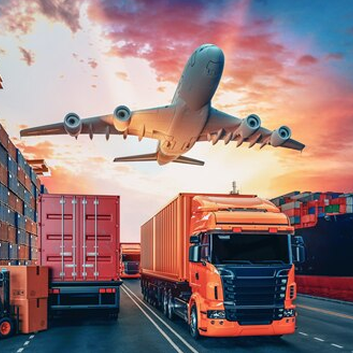
The five primary Transportation Modes in Logistics are road, rail, air, sea, and pipeline, each suited to specific types of cargo, distances, costs, and delivery timelines.
Road transport (trucks and vans) offers flexibility and door-to-door service, ideal for short to medium distances and time-sensitive deliveries.
Rail transport is cost-effective for heavy or bulk goods over long inland distances, though it requires additional coordination for last-mile delivery.
Air freight is the fastest option, best for high-value, lightweight, or urgent shipments, but it’s also the most expensive.
Sea freight is optimal for international trade of large volumes or non-urgent goods; it’s economical but slow and dependent on port infrastructure.
Pipeline transport is specialized for moving liquids or gases over long distances, such as oil or natural gas.
Choosing the right mode depends on cost, speed, cargo type, volume, distance, and environmental impact. Very often, companies use a multimodal or intermodal approach to balance speed and cost.
Load Management refers to the strategic planning, organizing, and optimizing of cargo loads to ensure efficient, safe, and cost-effective transportation. It involves decisions about how goods are packed, how much weight a vehicle can safely and legally carry, and how to maximize space utilization in containers, trucks, or pallets.
Effective load management is critical because it directly impacts operational efficiency, fuel consumption, delivery times, and transportation costs. Properly distributed loads reduce the risk of vehicle damage, accidents, or delays caused by overweight or improperly balanced shipments. It also ensures compliance with legal weight limits and safety regulations.
Key aspects include load planning, which determines the most efficient way to pack and ship items; load optimization, which uses software or algorithms to minimize empty space; and load securing, which ensures cargo is safely restrained to prevent shifting during transit.
In modern logistics, technology plays a major role. Advanced load management systems analyze shipment details, vehicle capacity, and delivery routes to generate the most efficient loading strategies.
Ultimately, strong load management improves supply chain reliability, reduces waste and costs, and contributes to a more sustainable logistics operation.
Warehousing Solutions refer to the systems, strategies, and technologies used to manage the storage of goods and streamline the movement of inventory within a warehouse. These solutions are essential for optimizing space, improving inventory accuracy, and speeding up order fulfillment.
Modern warehousing goes beyond just storing products—it includes inventory management, real-time tracking, picking and packing systems, and integration with other parts of the supply chain. Common warehousing types include public warehouses (shared spaces), private warehouses (owned or leased by a single company), and automated warehouses (using robotics and AI to boost efficiency).
Key warehousing solutions include:
– Warehouse Management Systems (WMS) to track inventory and streamline operations
– Racking systems and slotting strategies to maximize space
– Cross-docking to reduce storage time and speed up deliveries
– Pick-to-light or voice-picking systems to boost order accuracy
By implementing the right Warehousing Solutions, businesses can reduce storage costs, shorten lead times, and improve customer satisfaction through faster and more accurate order processing. Whether you’re scaling operations or enhancing existing facilities, warehousing is a critical part of a responsive, efficient logistics network.
Supply Chain Optimization involves analyzing and improving each part of the supply chain to reduce costs, increase speed, enhance service quality, and boost overall efficiency. It includes fine-tuning processes such as procurement, production, inventory management, transportation, and order fulfillment to work seamlessly together.
Key strategies for optimization include:
– Demand forecasting to align supply with actual customer needs
– Inventory optimization to balance stock levels and avoid overstocking or shortages
– Supplier collaboration to improve communication, reliability, and lead times
– Route and transportation planning to reduce delivery costs and transit times
– Technology integration, such as using AI, IoT, and advanced analytics to improve visibility and decision-making
An optimized supply chain can adapt quickly to changes in demand, disruptions, or market conditions, making it more resilient and cost-effective. It also supports sustainability by reducing waste, emissions, and unnecessary handling.
Regular performance measurement—using KPIs like order accuracy, cycle time, and cost per order—is essential to track improvements and identify new opportunities.
In short, supply chain optimization turns a functional operation into a competitive advantage by delivering better value, faster service, and smarter resource use.
Safety and security are critical components of any modern operation—whether in logistics, manufacturing, public spaces, or digital environments. Safety procedures are designed to protect people from accidents, injuries, and health hazards, while security protocols safeguard assets, data, and infrastructure from theft, damage, or cyber threats.
In physical environments, safety measures may include proper training, the use of personal protective equipment (PPE), emergency response plans, and adherence to regulatory standards like OSHA or ISO. These procedures help reduce workplace incidents, minimize downtime, and protect employee well-being.
Security protocols are equally vital, covering everything from access control systems and surveillance to cybersecurity measures such as encryption, firewalls, and multi-factor authentication. With increasing digital integration and global connectivity, protecting sensitive data and physical goods from unauthorized access or breaches is more important than ever.
Effective safety and security programs build trust, ensure compliance, and reduce financial and reputational risks. They also promote a culture of responsibility and preparedness, allowing organizations to respond quickly to emergencies or disruptions.
In today’s fast-moving, interconnected world, robust safety and security practices are not optional—they are essential to maintaining continuity, confidence, and long-term success.
Tariffs, which are taxes imposed on imported goods, significantly impact imports, exports, logistics, and the broader supply chain. By increasing the cost of imported products, tariffs often reduce the volume of imports, as foreign goods become less price-competitive compared to domestic alternatives. This can lead to a shift in sourcing strategies, with businesses seeking suppliers in countries not subject to tariffs.
Exports may also be affected, especially if other countries retaliate with their own tariffs, reducing demand for exported goods. This can hurt domestic producers who rely on international markets, disrupting revenue and production planning.
From a logistics standpoint, tariffs complicate routing decisions and increase documentation and compliance requirements. Shippers may need to reroute cargo or adjust transportation modes to mitigate costs and delays. Customs clearance becomes more complex and time-consuming, impacting delivery schedules.
In the broader supply chain, tariffs introduce uncertainty and can lead to increased costs, reduced efficiency, and supply disruptions. Companies might need to reconfigure supply networks, establish new supplier relationships, or even shift manufacturing to tariff-free zones. Ultimately, tariffs can drive up operational costs, reduce market competitiveness, and require strategic adaptations throughout the entire supply chain to maintain resilience and profitability.